Oxalates. You might have heard the term, but what are oxalates, and why should you be aware of them? Let's break it down.
What are Oxalates: Plant's Silent Defense Mechanism
Simply put, oxalates are defense chemicals that plants use to protect themselves from being eaten by animals and insects. Think of them as tiny bodyguards within the plant. These oxalates can exist as oxalic acid or as crystals. Now, you might be thinking, "Plants aren't trying to kill us, are they?" Well, while they're not consciously plotting our demise, they've certainly evolved some effective strategies to deter predation. As my professor of cancer biology pointed out, many common vegetables contain a surprisingly high number of identified carcinogens. And oxalates are another tool in their arsenal.
How Do Oxalates Affect Our Bodies?
When we consume plants containing oxalates, these compounds can wreak havoc in a few key ways:
- Turning into Oxalic Acid: Once ingested, oxalates can transform into oxalic acid in our bloodstream.
- Chelating Minerals: Oxalates have a strong affinity for certain minerals, particularly calcium and magnesium. They bind to these essential nutrients, essentially making them unavailable for our bodies to use. This can even lead to the body pulling calcium from our bones to maintain serum levels, potentially contributing to osteopenia or osteoporosis over time.
- Kidney Stones: Perhaps the most well-known issue associated with oxalates is the formation of kidney stones. In fact, around 75% of kidney stones are calcium oxalate stones. Contrary to popular belief, the problem isn't usually too much calcium; it's often an excess of oxalates.
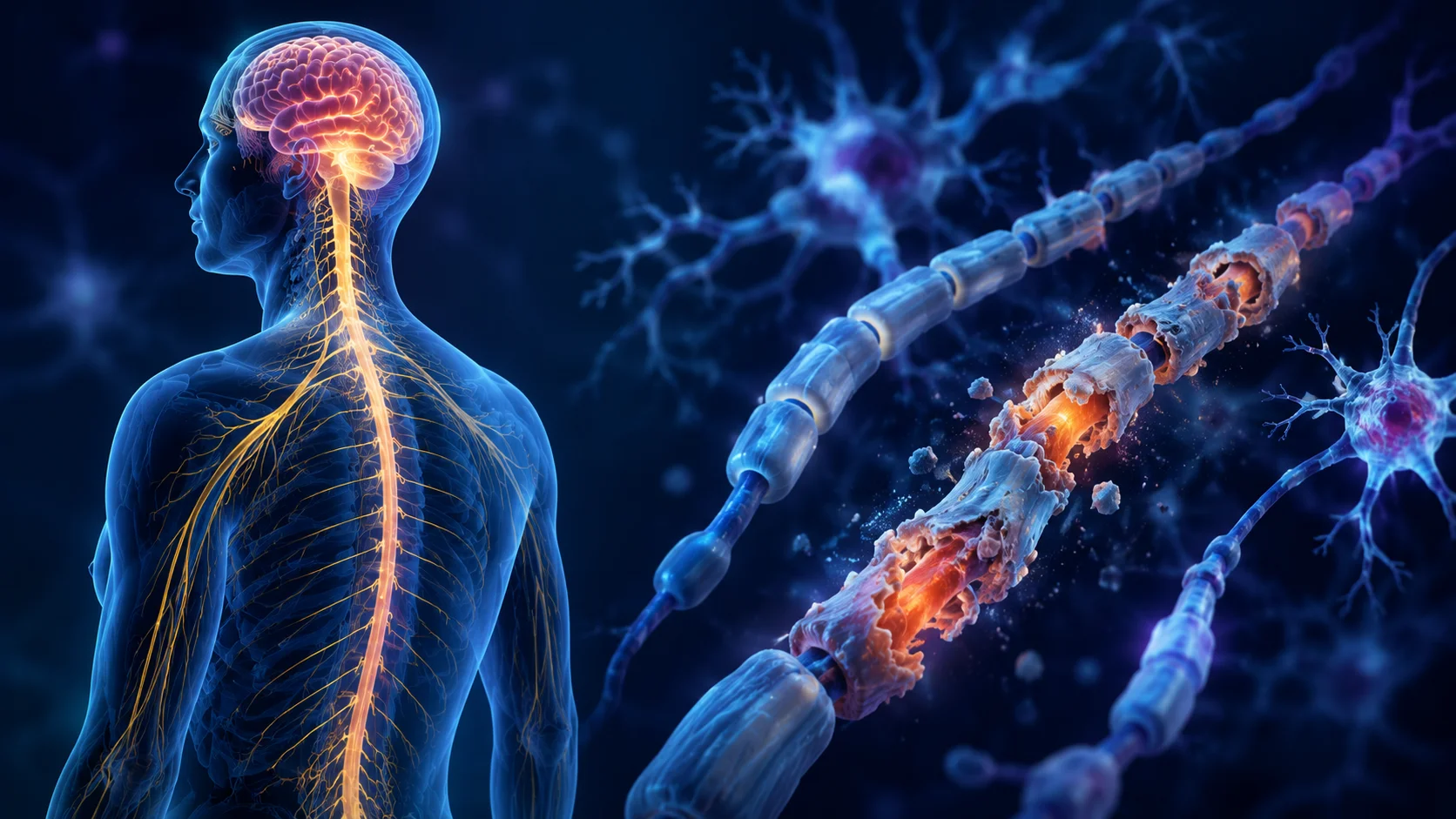
- Tissue Deposition: If our bodies can't efficiently clear the oxalates through the kidneys, these crystals can deposit in various tissues throughout the body, including the brain. This deposition has been linked to a range of issues, including neurological problems.
Common Sources of Oxalates
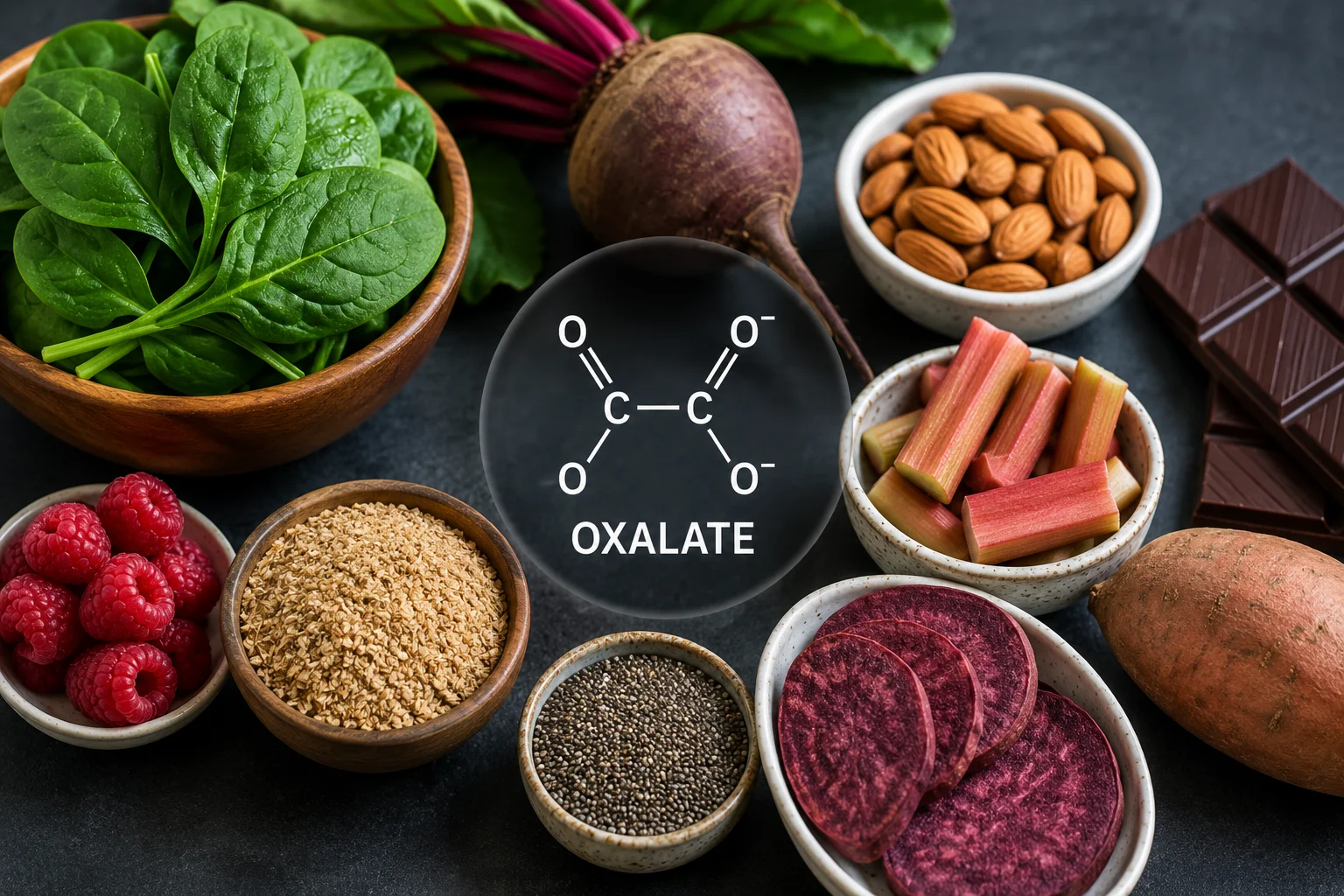
You might be surprised by some of the foods that are high in oxalates. Some notable examples include:
- Spinach: This leafy green, often touted as a health food, is incredibly high in oxalates, with around 600 milligrams per cup.
- Sweet Potatoes: Even a single cup can contain a couple of hundred milligrams of oxalates.
- Nuts and Seeds
- Chocolate
- Leafy greens and many other fruits and vegetables
Think about the green smoothies that have become so popular. Liam Hemsworth even ended up in the hospital with a kidney stone after a three-week stint of daily spinach smoothies!
Can We Get Rid of Oxalates Through Diet?
The good news is that by reducing or eliminating high-oxalate foods, we stop adding to the body’s oxalate load. This gives our system the opportunity to gradually clear out what’s already stored, easing the burden on the kidneys and supporting the body’s natural healing process. However, it's not always a simple or linear journey. As Sally Norton, author of the excellent book Toxic Superfoods, explains, when you drastically lower your oxalate intake, your body may begin to release stored oxalates from tissues — a process known as “oxalate dumping.”
Oxalate Dumping: A Detox Dilemma
During oxalate dumping, you might experience a temporary worsening of symptoms as your body tries to clear out these accumulated crystals. Symptoms can be varied and might include:
- Nighttime or burning urination
- Crystalline urine
- Gut issues like burning stools, constipation, or diarrhea
- Skin rashes or peeling
- Joint pain
- Fatigue and brain fog
Sally Norton’s work provides valuable insights into managing this process, often recommending a gradual reduction in oxalates rather than an abrupt elimination. She also suggests that sometimes, introducing small amounts of oxalates can signal the body to slow down the dumping process.
My Perspective: Embracing the Carnivore Way
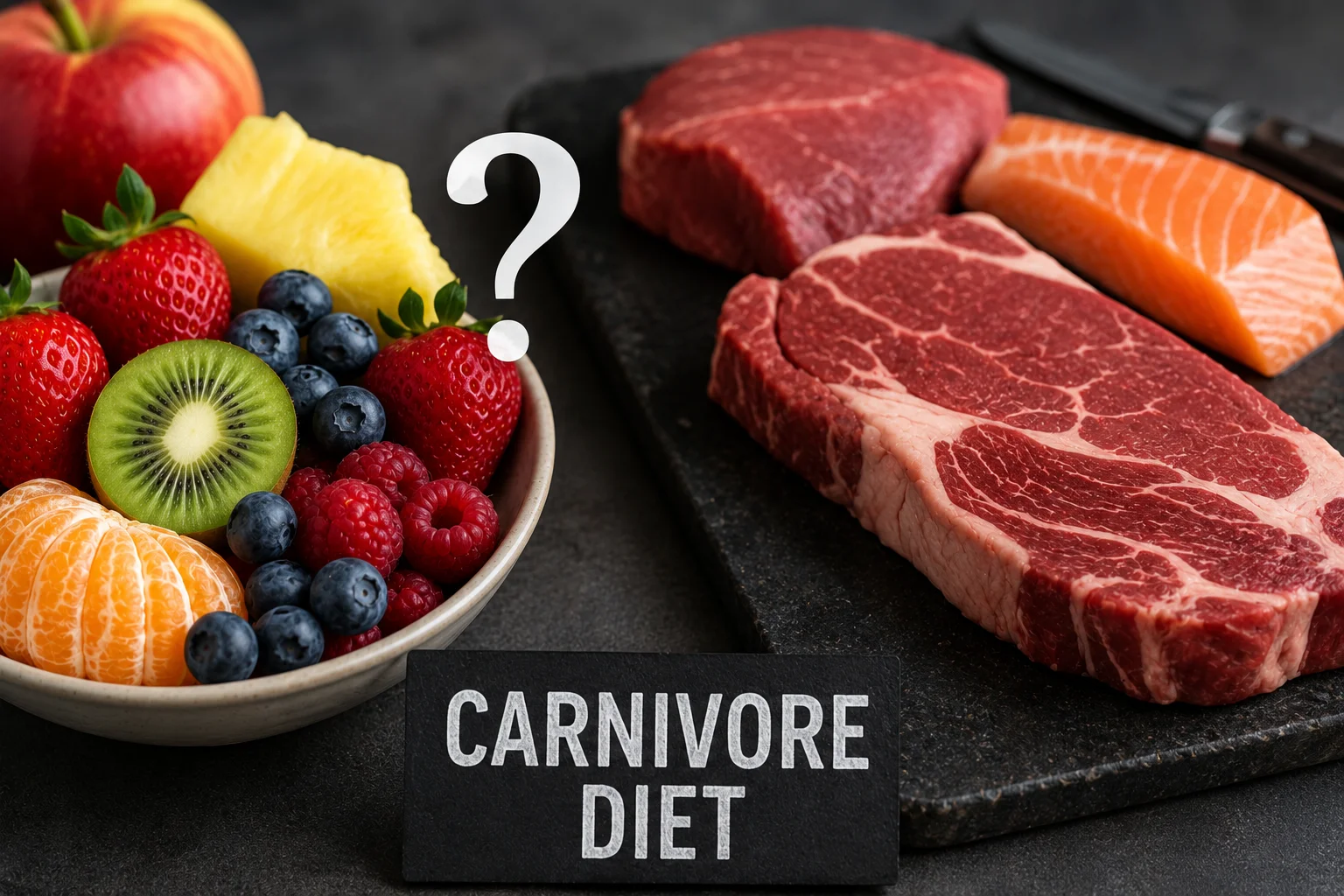
For me, and for many who thrive on a carnivore diet, the simplest solution is often the most effective: eliminate plants, eliminate oxalates. By focusing on nutrient-dense animal products, we bypass these plant toxins altogether. While some individuals may experience oxalate dumping when transitioning to a carnivore diet, many find that their overall health improves significantly as their bodies are no longer constantly battling these compounds.
Final Thoughts
Understanding what oxalates are and how they can impact our health is crucial, especially in a world that often promotes a heavily plant-based diet. While not all plant compounds are instantly harmful in small amounts, oxalates, particularly in high quantities, can pose significant challenges. If you're experiencing unexplained health issues, especially related to your kidneys, digestion, joints, or even neurological function, it might be worth considering the role of oxalates in your diet. I highly recommend checking out Sally Norton’s work and her book "Toxic Superfoods" for a deeper dive into this topic. Ultimately, listening to your body and understanding the potential downsides of even seemingly "healthy" plant foods is key to optimizing your health and well-being.